Strengthening Africa’s Response to Malaria Through Molecular Surveillance
Kampala: 27th March, 2026.
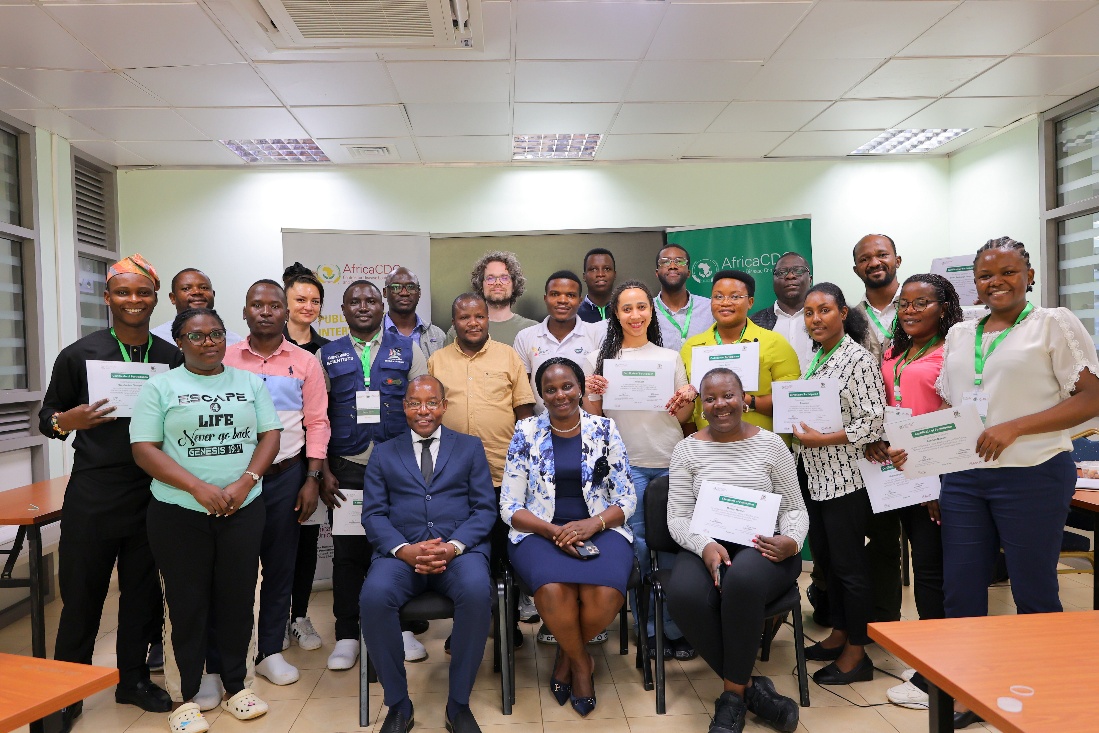
From 12–27 March 2026, the Ministry of Health Department for National Health Laboratory and Diagnostic Services (NHLDS) hosted a two-week regional training on Malaria Molecular Surveillance (MMS), convened in collaboration with Africa CDC and key continental partners.
The training brought together participants from Angola, Mozambique, Tanzania, Ethiopia, Rwanda, Namibia, Burundi, Nigeria, and the Democratic Republic of Congo.
The workshop was officially opened by NHLDS Commissioner Dr. Susan Nabadda, alongside Dr. Francis Chikuse-Africa CDC, Dr. Agaba Bosco- National Malaria Elimination Division, and Dr. Isaac Ssewanyana, Laboratory Director at NHLDS reflecting strong national and regional commitment to advancing malaria control efforts.
At the heart of the discussions was a shared concern: while progress has been made, the emergence and spread of antimalarial drug resistance continues to threaten decades of gains.
“Strengthening molecular surveillance for malaria allows us to detect antimalarial drug resistance markers, bringing new data to the many interventions we have, and a new approach to fight this burden better. As we all know, the emergence and spread of drug resistance threatens to undermine decades of progress in malaria control,” Dr. Susan Nabadda
The training focused on building practical, hands-on capacity to detect drug resistance markers using advanced tools such as MAD4HATTER and NOMADS assays. Participants were equipped with skills across the full surveillance pipeline—from sample handling to genomic data analysis. Delivered through a hybrid and intensive format, the programme covered:
DNA extraction, PCR and RT-PCR techniques
Sequencing on Illumina MiSeq and Oxford Nanopore platforms
Bioinformatics and sequence analysis, including identification of Plasmodium falciparum resistance markers
Assay standardization, quality assurance, and data management
“The adoption of MAD4HATTER and NOMADS assays will enhance scalability and enable rapid, timely detection of antimalarial drug resistance in public health laboratories, while strengthening regional data analysis for malaria molecular surveillance. These tools also foster improved collaboration and coordination at both national and continental levels, particularly in maintaining the supply chains necessary for the sustained use of AMDR detection systems.” Dr. Francis.
This comprehensive approach ensures not only improved data quality, but also harmonized workflows and stronger collaboration across countries.
As the training concluded, participants were reminded of the broader responsibility that comes with these new skills:
“I call upon the participants to take this capacity-building initiative as critical to gain skills that are key for generating high-quality evidence that can guide national and regional decision-making, support timely policy updates, and ensure that our malaria interventions remain effective,” Dr. Isaac Ssewanyana.
The training reflects a shared commitment by Africa CDC, ASLM, IDRC, and national partners to strengthen laboratory systems and support data-driven public health responses across the continent.