𝗔𝗱𝘃𝗮𝗻𝗰𝗶𝗻𝗴 𝗜𝗻𝘁𝗲𝗴𝗿𝗮𝘁𝗲𝗱 𝗛𝗲𝗮𝗹𝘁𝗵 𝗜𝗻𝗳𝗼𝗿𝗺𝗮𝘁𝗶𝗼𝗻 𝗦𝘆𝘀𝘁𝗲𝗺𝘀 𝗧𝗵𝗿𝗼𝘂𝗴𝗵 𝗦𝘁𝗿𝗮𝘁𝗲𝗴𝗶𝗰 𝗖𝗼𝗹𝗹𝗮𝗯𝗼𝗿𝗮𝘁𝗶𝗼𝗻.
Kampala: 28/01/2026
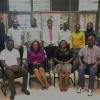
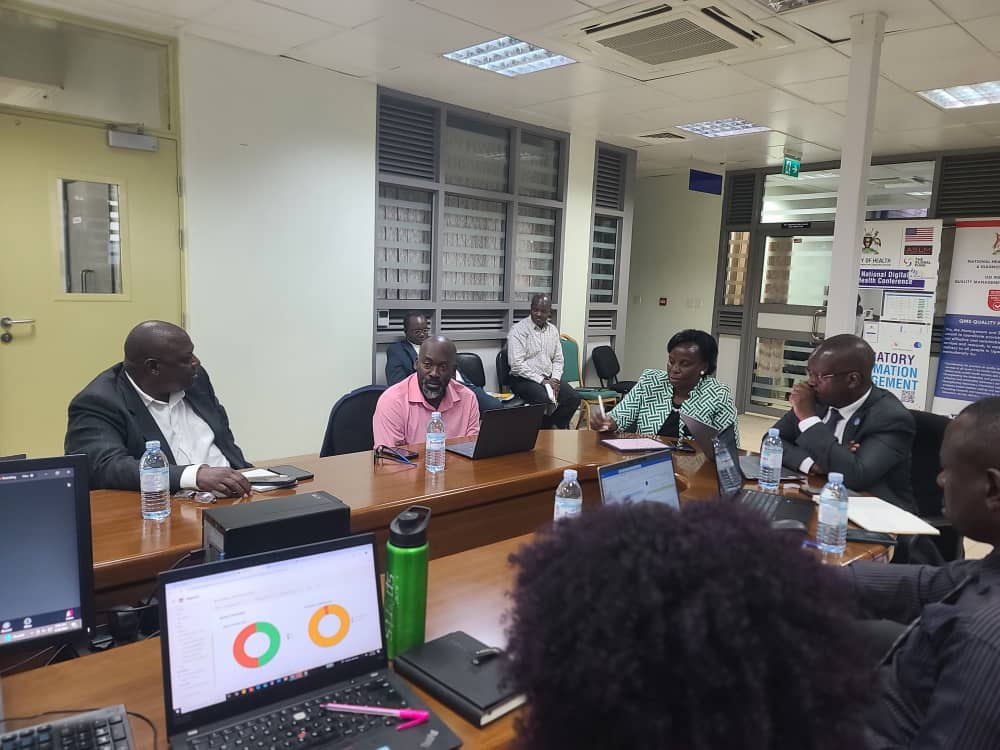
The MoH Uganda- Department of National Health Laboratory and Diagnostic Services (NHLDS) hosted the Ministry of Health – Division of Health Information (DHI) for a strategic consultative meeting aimed at strengthening collaboration, aligning strategic direction and promoting integration of ICT innovations, data management and health information exchange.
The meeting was chaired by Dr. Susan Nabadda, Commissioner of NHLDS, and the Ministry of Health delegation was led by Mr. Paul Mbaka, Assistant Commissioner of DHI. the meeting was attended by a representative from the Centers for Disease Control and Prevention (Centers for Disease Control and Prevention), reflecting the importance of multi-stakeholder partnerships in advancing Uganda’s health information systems.
During the meeting, Dr. Nabadda highlighted NHLDS’ plans and capacity to collect, visualise and utilise quality laboratory and diagnostic data at national and global levels. She outlined how the sector’s digital platforms are being developed to integrate seamlessly with MoH-DHI systems, supporting a unified and interoperable health information ecosystem.
Mr. Mbaka welcomed the collaboration, emphasizing opportunities for technical support exchange, including providing input into the draft health data coding guidelines under development by DHI. He also commended NHLDS for the progress made in establishing the Laboratory Data Repository, which aligns with the Ministry’s strategic priorities of one health information system.
He stressed that adopting and integrating laboratory information systems will help avoid duplication, parallel deployments, resource wastage and operational confusion, while maintaining focus on system functionality and service delivery.
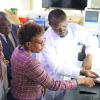
The meeting also included demonstrations of NHLDS’ health information systems, showcasing practical advancements in data management, visualisation, and use for evidence-based decision-making.
This engagement reinforces a shared commitment to collaboration, integration and data-driven health service delivery, supporting Uganda’s continued efforts to strengthen health information systems and improve health outcomes nationwide.