Uganda’s Laboratories Step Up for Outbreak Response
02/02/2026: Kampala -Uganda.
Uganda is strengthening its ability to detect and respond to public health threats by investing in the Laboratory teams and systems that identify outbreaks first.
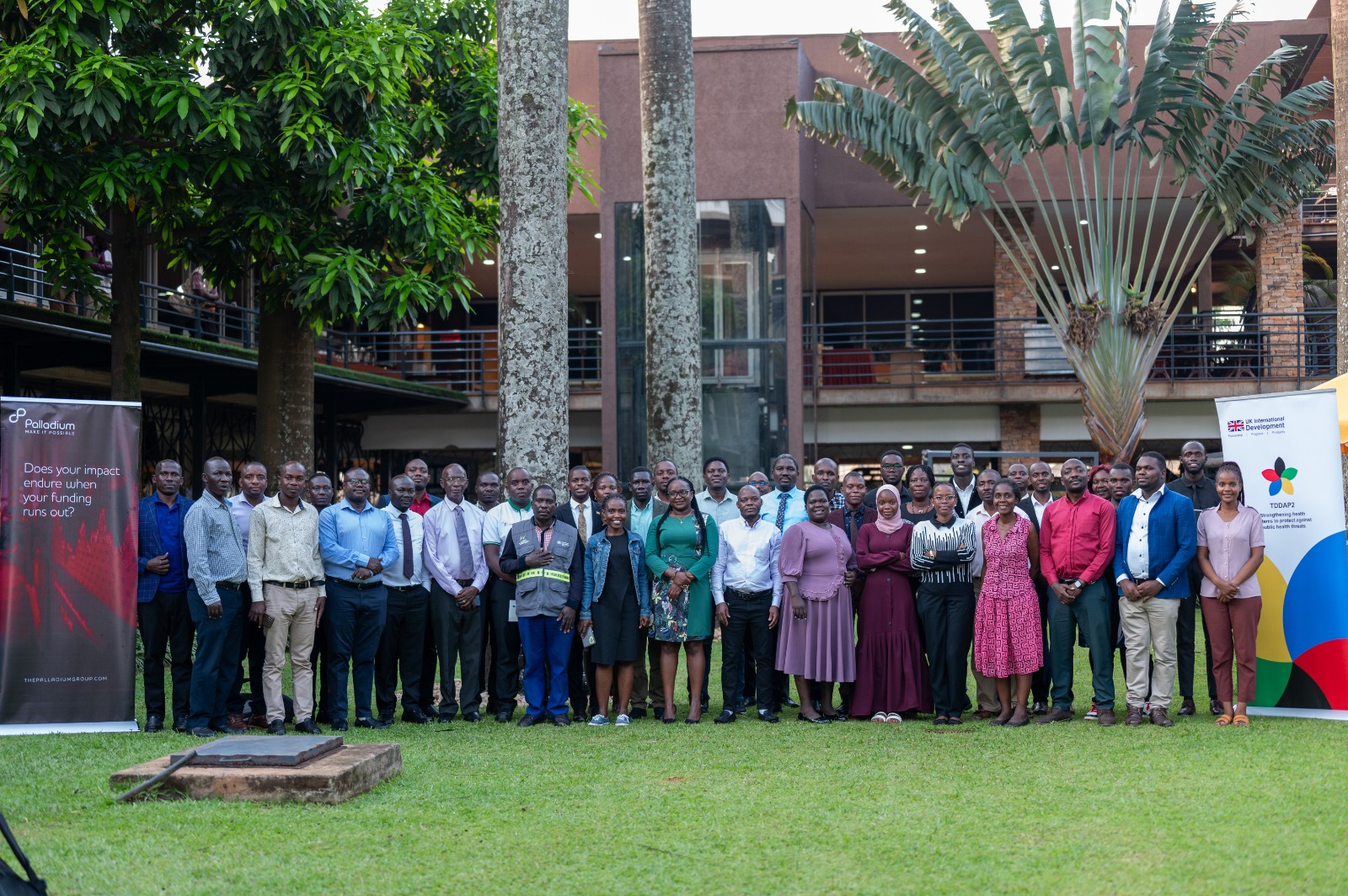
The Ministry of Health, through the Department of National Health Laboratory and Diagnostic Services (NHLDS) in partnership with the Palladium-led Tackling Deadly Diseases in Africa Programme (TDDAP 2), has concluded the National Laboratory Outbreak Preparedness and Response (LOPR) Training and Certification Programme, a practical initiative aimed at ensuring that laboratories across the country are ready to act when outbreaks occur.
Unlike conventional capacity-building programmes, the LOPR programme was deliberately designed to deliver results on the ground. A total of 30 District Laboratory Focal Persons, laboratory managers and regional laboratory coordinators were taken through a structured learning journey that required each participant to develop a real outbreak preparedness and response plan for their own facility and district covering 17 structured modules on:
• Biosafety and biosecurity
• Testing strategies and sample referral
• Surge capacity and coordination
• One Health integration
Throughout the programme, participants strengthened their ability to organise safe laboratory operations, manage testing during outbreaks, move samples efficiently, scale up services when demand rises, and work closely with surveillance teams and other sectors under the One Health approach.
At the Capstone Workshop held in Kampala from 2–4 February 2026, participants worked directly with national technical experts to refine and validate their plans and ensure alignment with national health security priorities and international obligations.
At the close of the workshop, all participating districts and facilities had complete, context-specific laboratory outbreak preparedness and response plans that are ready for adoption and use.
Speaking on the value of the programme, participants shared their experience.
“The mentor’s feedback transformed our draft into an operational tool. We now have clear steps for outbreak testing, safety, and reporting.” Francis Okello, District Laboratory Focal Person.
“This connected theory to practice. I now know exactly how to activate our laboratory network during an outbreak.” Juliet Kenzaro, Laboratory Manager.
For the Ministry of Health, the importance of this milestone goes beyond individual facilities. Laboratories play a central role in outbreak detection and confirmation and delays at this level often translate into delayed response for communities. By equipping district and regional laboratory leaders with standardised planning tools and nationally aligned response structures, the Ministry is strengthening the speed, safety and coordination of outbreak response across the country.
This initiative marks an important shift towards institutionalising laboratory preparedness within Uganda’s broader health emergency and health security systems, ensuring that outbreak readiness is not dependent on temporary projects but embedded in routine operations.
The Ministry of Health appreciates the continued collaboration of NHLDS, TDDAP 2, national mentors and frontline laboratory professionals whose commitment is helping to build a stronger and more resilient public health system for Uganda.